

North Carolina Waste Awareness and Reduction Network (NC-WARN)
The North Carolina Waste Awareness and Reduction Network is a left-of-center environmentalist group that opposes the use of hydraulic fracturing to collect natural gas. It has targeted Duke Energy with anti-coal-power demonstrations in the past. The organization signed on as a sponsor of the Green New Deal and has opposed the use of zero carbon nuclear energy. 1
Contents
Opposition to Nuclear Energy
NC WARN was one of more than 600 co-signing organizations on a January 2019 open letter to Congress titled “Legislation to Address the Urgent Threat of Climate Change.” The signatories declared their support for new laws to bring about “100 percent decarbonization” of the transportation sector but denounced nuclear power as an example of “dirty energy” that should not be included in any legislation promoting the use of so-called “renewable energy.” 1
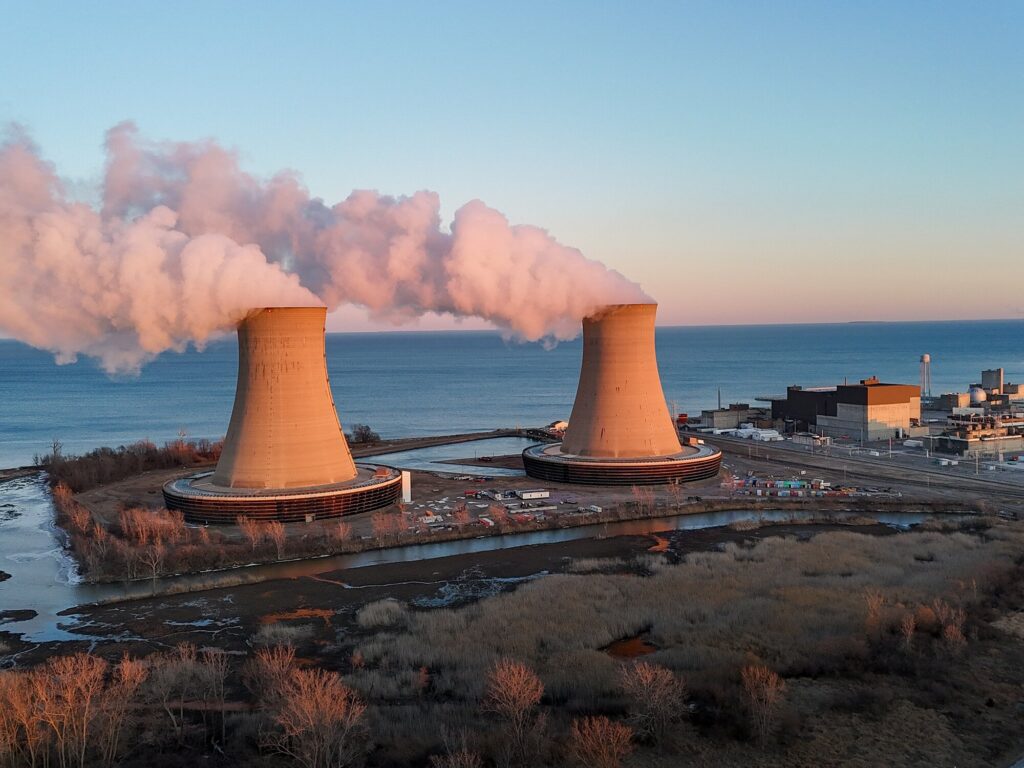
Nuclear power plants produce no carbon dioxide or other greenhouse gas emissions, and as of 2021 accounted for 19 percent of American electricity production—the largest source of zero carbon electricity in the United States. 2 An October 2018 proposal from The Nature Conservancy noted that zero-carbon nuclear plants produced 7.8 percent of total world energy output and recommended reducing carbon emissions by increasing nuclear capacity to 33 percent of total world energy output. 3
–
Financial Statistics
Total Assets
Total Revenue
Total Expenses
| Year | Total Assets | Total Revenue | Total Expenses | Filing |
|---|---|---|---|---|
| 2025 | $2,200,216 | $1,785,485 | $2,163,654 | View |
| 2024 | $2,573,465 | $2,419,249 | $1,952,191 | View |
| 2023 | $2,068,069 | $1,912,162 | $1,701,472 | View |
| 2022 | $1,854,552 | $2,456,614 | $2,457,790 | View |
| 2021 | $1,858,102 | $2,687,799 | $2,351,152 | View |
| 2020 | $1,518,438 | $1,665,041 | $1,396,645 | View |
Prior year filings: 2019, 2018, 2017, 2015, 2014, 2013, 2012, 2011
Revenue Detail
Expenses Detail
Employee Compensation
- Number of Employees: 6
Highest Earning Employees
| Employee | Title | Total Compensation |
|---|---|---|
| James E Warren | EXECUTIVE DIRECTOR | $147,218 |
Grant Activity
All-time grants received statistics from Candid dataset:
- Total Grant Value: $16,285,326
- Number of Grants: 152
- Number of Funders: 38
Selection of highest value grants received from the last seven years:
Mentioned in this Article
Associated Influence Networks
Opposition to Nuclear Energy
There are more than 700 nonprofits and other advocacy groups in the United States that oppose the use of carbon free nuclear energy. …