

The Gulf Coast Center for Law & Policy (GCCLP)
The Gulf Coast Center for Law and Policy is a left-of-center, non-profit law firm and that works on climate related issues in communities located in the south of the United States. The GCCLP’s operations work through the Gulf South states of Florida, Alabama, Louisiana, Mississippi, and Texas. 1 GCCLP backs the environmentalist policy platform Southern Communities for a Green New Deal and has opposed the use of zero carbon nuclear energy. 2 3
Contents
Background
In 2014, the GCCLP became an independent social enterprise with its primary operations rooted in providing access to legal services for people recovering from climate-related disasters. In that same year, the organization formalized its base training curriculum rooted in left-of-center political ideas titled “Understanding Race, Power, and Privilege”. The GCCLP uses this curriculum as the foundation for its training for GCCLP fellowship programs, philanthropy, local elected officials, and its national allies. 4
The GCCLP is one of the spearheads for the left-of-center environmentalist policy platform developed specifically for the southern states called Southern Communities for a Green New Deal along with other environmentalist organizations such as Southeast Climate and Energy Network, Dogwood Alliance, Kingdom Living Temple, and Greater-Birmingham Alliance to Stop Pollution (G.A.S.P.). 2
The GCCLP also partnered with Quioveo Energy, a left-of-center tech startup who works towards developing climate affecting technology. 5 It also formed a partnership with Carrizo Comecrudo Tribe of Texas, a left-of-center organization whose focus is working on issues relating to Indigenous peoples. 6
Opposition to Nuclear Energy
In May of 2021, GCCLP was one of 715 groups and businesses listed as a co-signer on a letter to the leadership of the U.S. House and Senate that referred to nuclear energy as a “dirty” form of energy production and a “significant” source of pollution. The letter asked federal lawmakers to reduce carbon emissions by creating a “renewable electricity standard” that promoted production of weather dependent power sources such as wind turbines and solar panels, but did not promote low carbon natural gas and zero carbon nuclear energy. 7
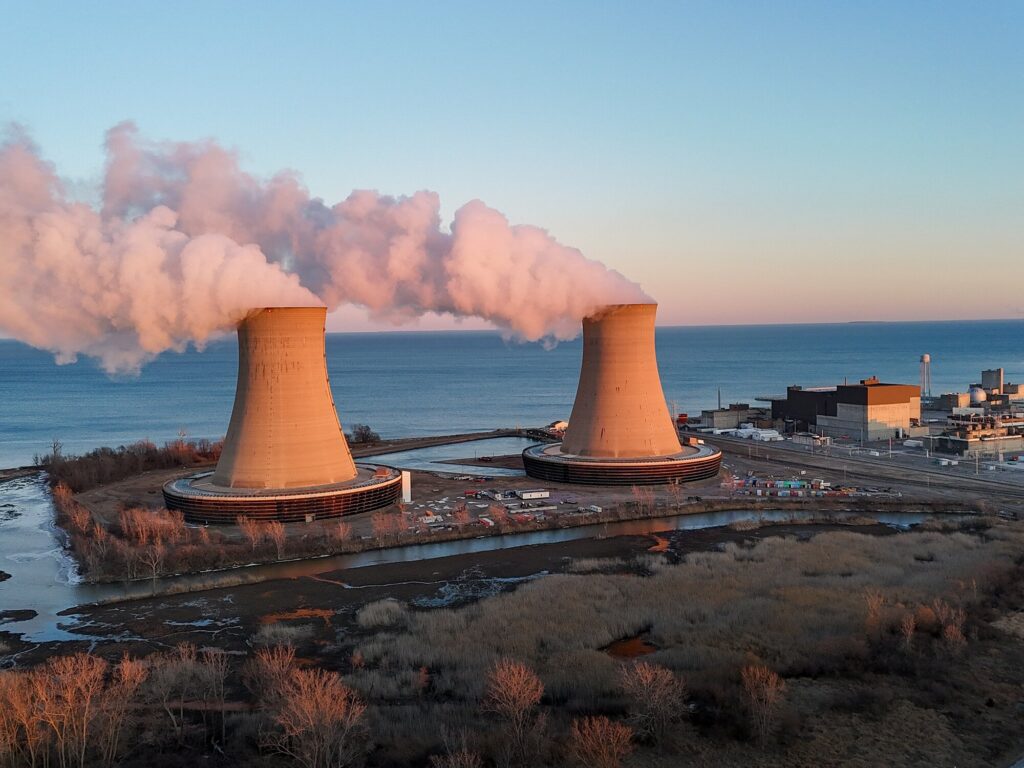
Nuclear power plants produce no carbon dioxide or other greenhouse gas emissions, and as of 2021 accounted for 19 percent of American electricity production—the largest source of zero carbon electricity in the United States. 8 An October 2018 proposal from The Nature Conservancy noted that zero-carbon nuclear plants produced 7.8 percent of total world energy output and recommended reducing carbon emissions by increasing nuclear capacity to 33 percent of total world energy output. 9
GCCLP was one of more than 600 co-signing organizations on a January 2019 open letter to Congress titled “Legislation to Address the Urgent Threat of Climate Change.” The signatories declared their support for new laws to bring about “100 percent decarbonization” of the transportation sector but denounced nuclear power as an example of “dirty energy” that should not be included in any legislation promoting the use of so-called “renewable energy.” 3
People
Colette Pichon Battle is the founder and executive director of the Gulf Coast Center for Law and Policy. She manages the organization’s legal services in immigration and disaster law, was named an Obama Fellow in 2019, and was born in Bayou Liberty, Louisiana. 10
Mentioned in this Article
Associated Influence Networks
Opposition to Nuclear Energy
There are more than 700 nonprofits and other advocacy groups in the United States that oppose the use of carbon free nuclear energy. …