

People’s Climate Marches
The People’s Climate Marches were a series of large-scale left-of-center demonstrations organized to demand environmentalist policies related to climate change, linking environmental concerns to issues of racial justice, labor union interests, and economic inequality. The first event affiliated with the movement was the 2014 People’s Climate March in New York City, which was later followed by the 2017 People’s Climate March in Washington, D.C., which centered around opposition to the first Trump administration. The marches drew participation from left-of-center environmental groups, labor unions, and advocacy groups. The marches led to the creation of the People’s Climate Movement as an advocacy group to conduct similar protests and lobbying activity promoting environmentalism. 1 1

Contents
2014 People’s Climate March
The 2014 People’s Climate March took place on September 21, 2014, in New York City, timed to precede a United Nations climate summit. Organizers claimed approximately 400,000 participants, making it reportedly one of the largest climate-related demonstrations in U.S. history. The event featured thematic contingents, including indigenous advocacy groups, labor unions, students, faith-related groups, and anti-business activists. Key organizing organizations included 350.org, the Climate Justice Alliance, the Grassroots Global Justice Alliance, and labor entities such as the BlueGreen Alliance. The march emphasized far-left environmentalist demands to reject fuel-energy projects, such as pipelines, and promoted a transition to weather-dependent wind and solar energy. 2 3 4 5
Bill McKibben, founder of 350.org, first announced the march in an article for Rolling Stone entitled “A Call to Arms,” criticizing then-President Barack Obama and other world leaders for not doing enough to reverse climate change, and inviting readers to march with him in protest. Then-New York City Mayor Bill de Blasio (D) attended and announced a plan to retrofit public buildings to modern environmental standards. 6 7
2017 People’s Climate March
The 2017 People’s Climate March occurred on April 29 in Washington, D.C., on the 100th day of the first Trump administration. Estimates placed attendance at around 200,000 in the Washington area, with additional events in cities nationwide and internationally. The demonstration targeted the administration’s environmental policies, including efforts to expand fuel production and withdraw from international climate agreements such as the Paris Climate Agreement. Coalition partners included 350.org, the Sierra Club, labor unions such as the Amalgamated Transit Union and American Federation of Teachers, and civil rights groups. Speakers and contingents linked climate action to opposition to deregulation, support for union jobs in environmentalist-favored sectors, and racial equity in environmental policy. Satellite marches occurred in hundreds of locations, also calling for restrictions on oil and gas development. 8 9 10 11 12
People’s Climate Movement
The People’s Climate Movement, a coalition of environmental and labor organizations, served as the organizing coalition behind the marches and was formalized as an advocacy group. It formed as a broad alliance of left-of-center groups following the 2014 event and continued to coordinate subsequent mobilizations. The coalition includes organizations such as 350.org, Center for Popular Democracy (CPD), the Sierra Club, AFL-CIO affiliates, NAACP chapters, and the Climate Justice Alliance. 13 14
Part of this Network
- 350.org (National)
- Amalgamated Transit Union
- American Federation of Labor-Congress of Industrial Organizations (AFL-CIO)
- American Federation of Teachers (AFT)
- Barack Obama
- Bill de Blasio
- Bill McKibben
- BlueGreen Alliance
- Center for Popular Democracy (CPD)
- Climate Justice Alliance (CJA)
- Grassroots Global Justice Alliance
- National Association for the Advancement of Colored People (NAACP)
- People’s Climate Movement
- Sierra Club
- Trump Administration
- United Nations
Other Influence Networks
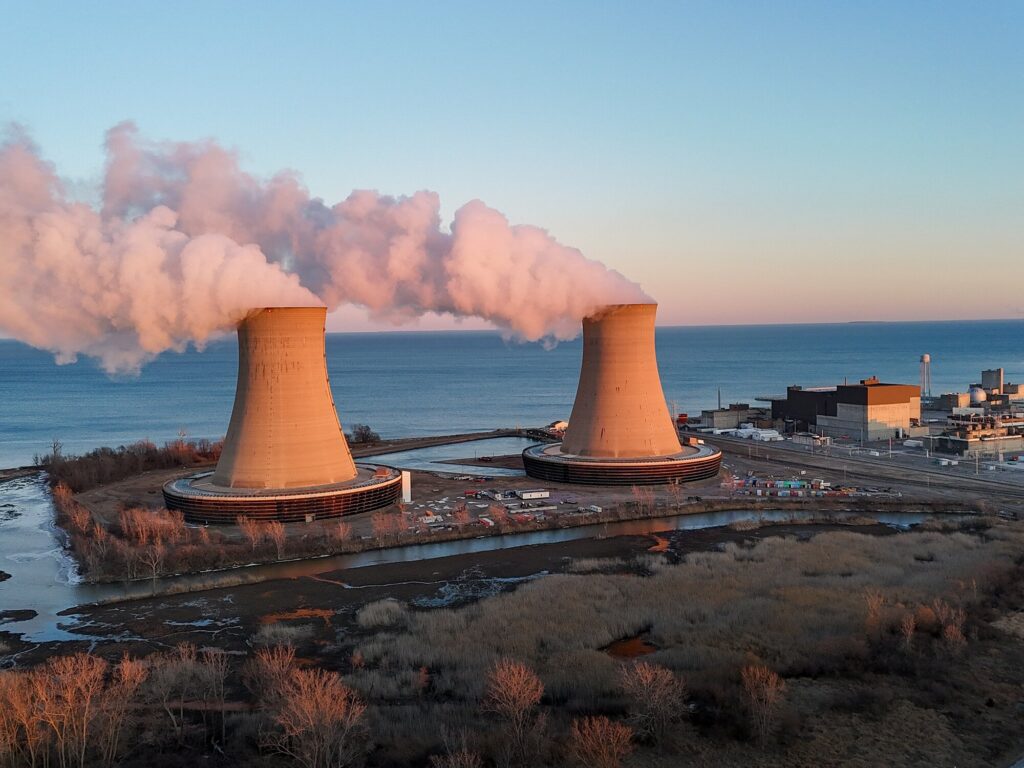
Opposition to Nuclear Energy
There are more than 700 nonprofits and other advocacy groups in the United States that oppose the use of carbon free nuclear energy. …
Associated Groups & People

Biden Administration
The administration of President Joe Biden, a Democrat, began on January 20, 2021. It succeeded the Trump administration after Biden defeated Republican President Donald Trump in the 2020…
Associated Groups & People

National Labor Relations Act (NLRA)
The National Labor Relations Act (NLRA), commonly known as the Wagner Act after its chief sponsor, then-U.S. Sen. Robert F. Wagner (D-NY), is the principal…
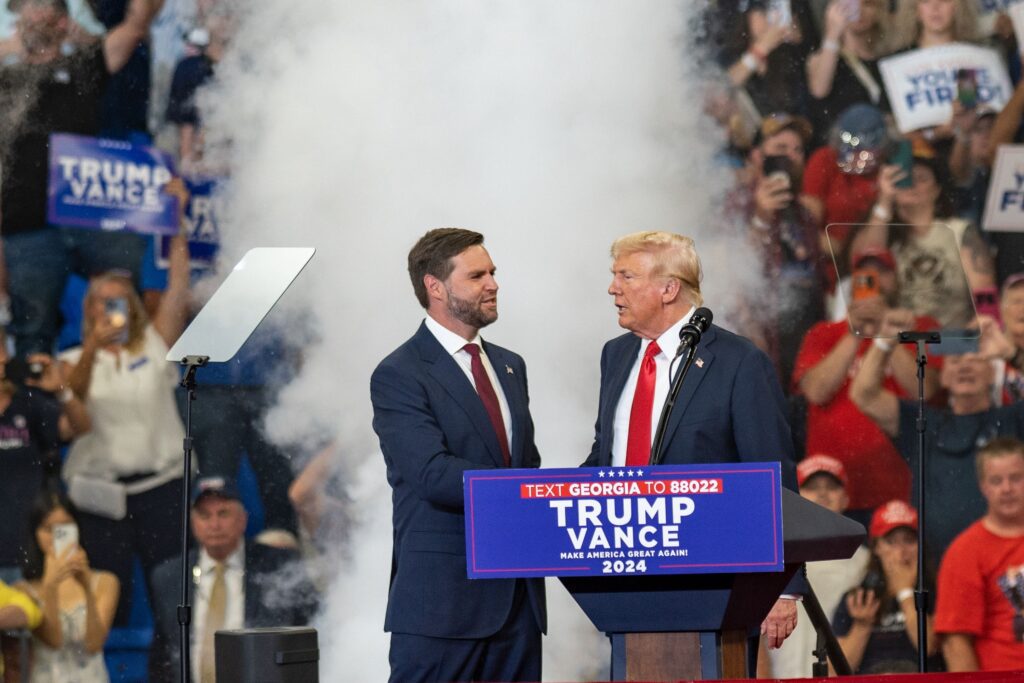
Second Trump Administration
This profile refers to the second presidential administration of Donald Trump that commenced in January 2025 following his second election to the presidency in November…
Associated Groups & People
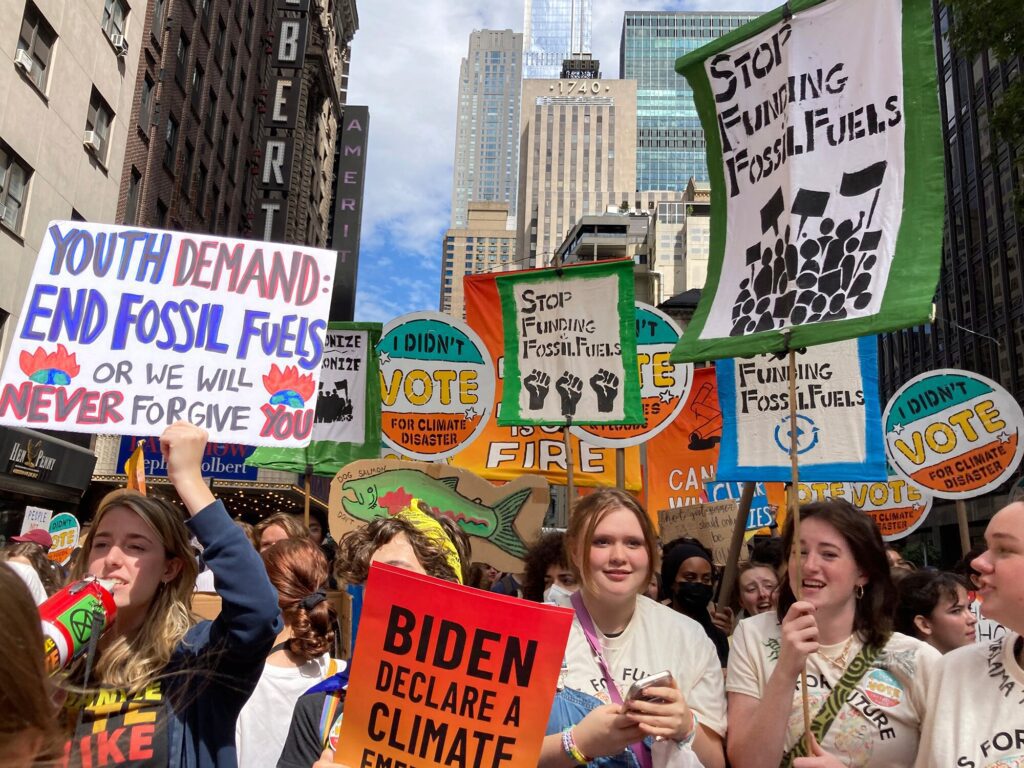
ESG Activism
ESG activism refers to individuals and organizations that advocate for Environmental, Social, and Corporate Governance (ESG) criteria as part of evaluating business operations. ESG considerations…